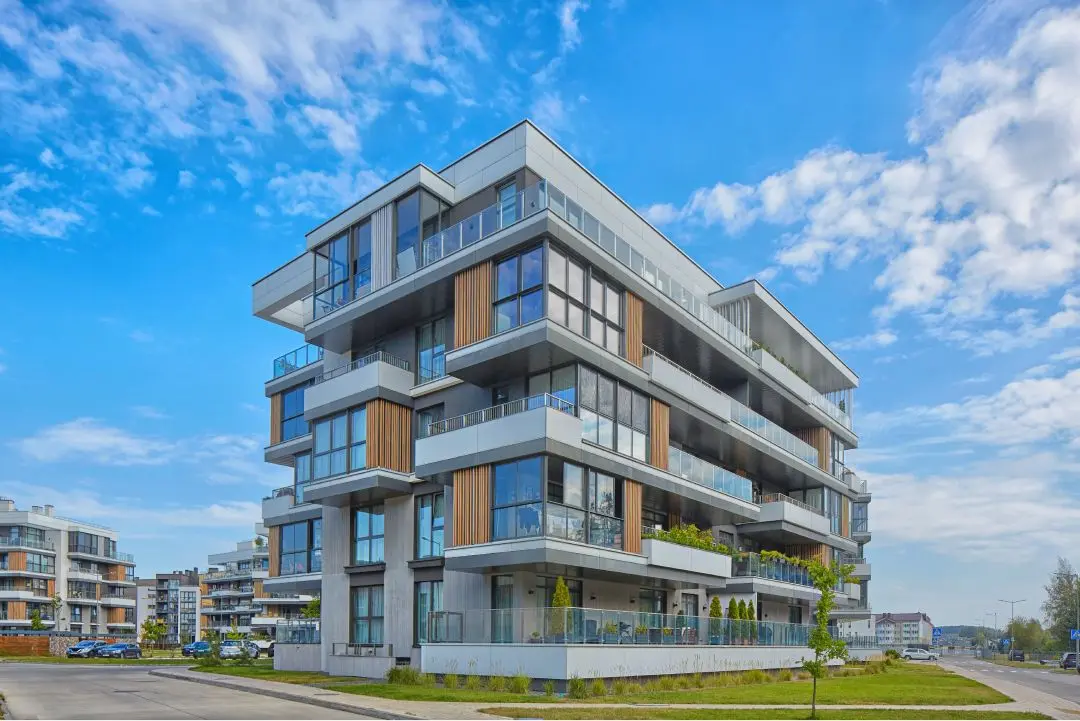
Introduction: Navigating the Legal Landscape of Real Estate Projects
Real estate development presents a wealth of opportunities—but it also comes with complex and often high-stakes legal challenges. From land acquisition and zoning regulations to environmental compliance and construction disputes, developers must navigate a maze of laws that vary by jurisdiction and project type.
Understanding the legal challenges in real estate development is critical for minimizing risk, avoiding costly delays, and ensuring long-term project viability. This article offers an in-depth guide to the most common legal obstacles developers face and how to manage them effectively.
1. Land Acquisition and Title Issues
One of the first and most critical stages of development is acquiring land. However, this process often comes with legal complications related to title, ownership, or usage rights.
Common Challenges:
- Title defects such as liens, encumbrances, or claims of adverse possession
- Unclear boundaries or property lines
- Undisclosed easements that limit usage or access
- Disputes over mineral, air, or water rights
Mitigation Strategies:
- Conduct a comprehensive title search
- Obtain title insurance for added protection
- Engage a real estate attorney early to conduct due diligence
- Use surveyors and zoning experts to validate property boundaries
2. Zoning and Land Use Regulations
Every parcel of land is subject to local zoning laws that dictate how it can be used. Zoning restrictions can significantly affect the size, purpose, and design of a proposed development.
Key Legal Risks:
- Incompatibility with current zoning classifications
- Restrictions on height, density, or building type
- Legal challenges from adjacent property owners
- Difficulties in obtaining rezoning or variances
Solutions:
- Work closely with local zoning boards and city planners
- Prepare detailed applications and justifications for variances
- Hold public consultations to reduce opposition
- Consider zoning due diligence reports before acquisition
3. Environmental and Regulatory Compliance
Environmental regulations can create significant legal barriers for real estate projects, particularly in areas near wetlands, forests, or historically contaminated land.
Potential Legal Issues:
- Violations of federal and state environmental laws (e.g., Clean Water Act, NEPA, CEQA)
- Presence of hazardous materials (e.g., asbestos, lead paint, underground tanks)
- Requirements for environmental impact assessments (EIA)
- Protected species or habitats on site
How to Comply:
- Hire qualified environmental consultants for site assessments
- Obtain all necessary permits and approvals
- Develop remediation plans for contaminated properties
- Coordinate with environmental agencies and local planning departments
4. Permits, Approvals, and Bureaucratic Delays
Real estate development requires a long list of permits and approvals from multiple authorities. Missing or improperly obtained approvals can result in project shutdowns and legal penalties.
Types of Required Permits:
- Building permits
- Grading and excavation permits
- Occupancy certificates
- Fire safety and accessibility approvals
Legal Challenges:
- Inconsistent regulatory interpretations across agencies
- Public opposition delaying approvals
- Corruption or favoritism in local governance
- Non-compliance with historic preservation laws
Best Practices:
- Create a comprehensive permitting checklist
- Hire a dedicated project manager or legal liaison
- Maintain detailed records of submissions and approvals
- Anticipate delays and build buffer periods into your timeline
5. Contractual Disputes and Construction Litigation
Once construction begins, developers often face legal disputes with contractors, subcontractors, or suppliers, which can lead to expensive litigation.
Frequent Legal Disputes:
- Breach of contract claims
- Construction delays or cost overruns
- Defective work or failure to meet design specs
- Disputes over change orders or scope creep
- Mechanic’s liens filed by unpaid contractors
Preventative Measures:
- Use clear, detailed contracts with defined scopes and penalties
- Include dispute resolution clauses (e.g., mediation, arbitration)
- Conduct regular inspections and progress reports
- Secure performance bonds where appropriate
6. Financing and Legal Obligations to Lenders
Real estate projects are capital-intensive and often financed through loans or equity investment. Developers must adhere to strict legal obligations defined in loan agreements, securities laws, and investor covenants.
Legal Risks Include:
- Default on construction or bridge loans
- Breach of covenants (e.g., debt-to-equity ratios)
- Failure to disclose material information to investors
- Securities law violations when raising private capital
Solutions:
- Engage legal counsel to review and negotiate all loan terms
- Ensure compliance with securities regulations (e.g., Reg D)
- Provide accurate, timely disclosures to investors
- Maintain transparency and documentation throughout the financing process
7. Community and Public Opposition
Many real estate developments—especially large-scale or mixed-use projects—face legal challenges from community groups, municipalities, or environmental advocates.
Common Legal Threats:
- Lawsuits challenging environmental reviews
- Petitions for injunctions or moratoriums
- Historic preservation objections
- Accusations of gentrification or displacement
Community Engagement Strategy:
- Conduct early and transparent public outreach
- Partner with local stakeholders to gain support
- Be prepared to modify plans to address concerns
- Retain litigation counsel in case of legal action
8. Tenant and Leasing Issues in Mixed-Use Projects
In developments involving commercial or residential tenants, legal issues related to leasing and tenant rights can arise.
Potential Legal Issues:
- Lease defaults or disputes
- Challenges over tenant improvement obligations
- Conflicts between commercial and residential tenants
- Compliance with tenant protection laws
Legal Safeguards:
- Use standardized, attorney-reviewed lease agreements
- Include dispute resolution clauses
- Understand local rent control and eviction laws
- Ensure compliance with ADA and fair housing regulations
9. Tax and Property Law Compliance
Real estate projects involve complex tax issues—both during development and after project completion.
Common Legal Challenges:
- Delays in property tax assessments
- Misclassification of property use for tax purposes
- Failure to claim available tax credits or abatements
- Disputes over impact fees or special assessments
Tax Strategies:
- Work with real estate tax attorneys and consultants
- Explore incentives like Opportunity Zones, LIHTC, or historic tax credits
- File timely appeals or disputes regarding overassessments
- Understand transfer tax obligations upon sale
Conclusion: Plan Legally, Build Strategically
Every real estate development—no matter the size—must be approached with a deep understanding of its legal obligations and risks. Proactive legal planning, expert guidance, and early risk identification are critical to avoiding litigation, financial setbacks, and project delays.
From securing land to handing over keys, the legal complexities of real estate development require careful attention, continuous compliance, and strategic foresight. Developers who prioritize legal readiness are far more likely to deliver successful, profitable, and enduring projects.
Sponsored Link