Introduction: The Foundation of Lasting Business Relationships
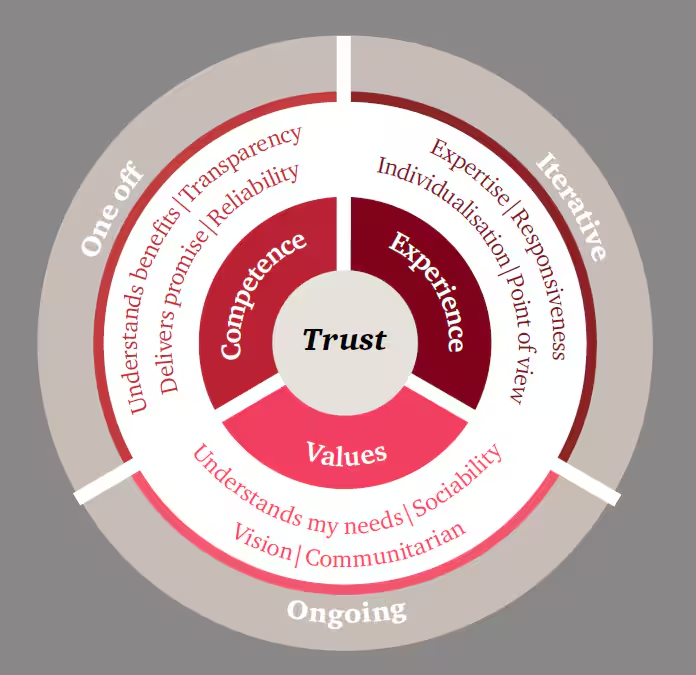
Building trust with corporate clients is paramount to fostering long-term partnerships and sustainable growth. In today’s competitive marketplace, trust is not just a nice-to-have—it’s an essential element that drives client retention, referrals, and brand reputation. Companies seek partners who demonstrate reliability, transparency, and deep understanding of their business needs.
This comprehensive guide outlines how to build trust with corporate clients by focusing on communication, delivering consistent value, and maintaining ethical standards. Implementing these proven strategies will help your business establish credibility and foster enduring relationships.
1. Understand Your Client’s Business and Industry
Corporate clients expect their partners to have a strong grasp of their industry challenges, market trends, and strategic goals.
Key Actions:
- Conduct in-depth research on the client’s industry landscape.
- Learn about their competitors, regulations, and business model.
- Tailor your proposals and solutions to directly address their unique pain points.
- Regularly update your knowledge to stay relevant as their industry evolves.
Why it matters: Demonstrating industry expertise positions you as a trusted advisor, not just a service provider.
2. Maintain Clear, Consistent, and Transparent Communication
Effective communication is the cornerstone of trust. Corporate clients want to feel informed and confident throughout the partnership.
Best Practices:
- Set realistic expectations from the start.
- Provide regular updates on project progress, challenges, and successes.
- Be honest about any delays or issues; proactively offer solutions.
- Use multiple communication channels—emails, video calls, in-person meetings—to maintain connection.
- Listen actively to client feedback and respond promptly.
Transparency reduces uncertainty and builds confidence.
3. Deliver on Promises with Consistency
Actions speak louder than words. Reliability in meeting deadlines, budgets, and quality standards creates a foundation of trust.
Tips to Ensure Consistency:
- Implement robust project management systems.
- Develop clear service-level agreements (SLAs) outlining deliverables.
- Monitor performance metrics and continuously improve processes.
- Have contingency plans to mitigate risks and avoid disruptions.
Consistent delivery signals professionalism and respect for your client’s time and investment.
4. Demonstrate Integrity and Ethical Business Practices
Corporate clients value partners who adhere to strong ethical standards and corporate governance.
How to Show Integrity:
- Honor confidentiality agreements and protect sensitive data.
- Avoid conflicts of interest and disclose any potential risks.
- Conduct business fairly, avoiding misleading claims or hidden fees.
- Uphold compliance with industry regulations and standards.
Integrity builds trust not only with clients but also within their broader stakeholder networks.
5. Personalize Your Approach and Build Relationships
Even in large corporate environments, relationships are built between people. Tailoring your approach to each client fosters a deeper connection.
Strategies for Personalization:
- Learn key stakeholders’ preferences, priorities, and communication styles.
- Celebrate milestones and acknowledge achievements.
- Provide customized reports and insights rather than generic updates.
- Show genuine interest in their success beyond immediate transactions.
Personalized service transforms business interactions into valued partnerships.
6. Provide Consistent Value Beyond Contracts
Going the extra mile to deliver value can significantly enhance trust and client satisfaction.
Ways to Add Value:
- Share industry insights and market intelligence proactively.
- Suggest innovative solutions that improve efficiency or reduce costs.
- Offer training sessions or workshops to empower client teams.
- Provide post-project support and continuous improvement suggestions.
Consistently delivering value signals commitment to the client’s success, not just profit.
7. Leverage Testimonials, Case Studies, and References
Social proof from satisfied clients validates your capabilities and reliability.
Best Practices:
- Request permission to showcase client testimonials on your website and marketing materials.
- Develop detailed case studies highlighting successful outcomes.
- Offer prospective clients references to speak directly with current or past clients.
Positive third-party endorsements significantly strengthen trustworthiness.
8. Foster Long-Term Partnerships with Strategic Planning
Trust is not built overnight. Focus on cultivating enduring relationships through strategic collaboration.
How to Build Long-Term Trust:
- Develop joint strategic plans aligning with client goals.
- Regularly review partnership health and identify areas for growth.
- Adapt services as client needs evolve.
- Engage in continuous dialogue to anticipate future challenges.
Long-term thinking signals that you are invested in mutual success.
9. Handle Mistakes with Accountability and Speed
Mistakes happen, but how you respond to them can either erode or reinforce trust.
Effective Responses Include:
- Own up to errors promptly and take responsibility.
- Communicate corrective actions clearly and transparently.
- Implement measures to prevent recurrence.
- Offer compensation or remedial services if appropriate.
Accountability demonstrates respect and builds confidence even in difficult situations.
Conclusion: Trust as a Strategic Asset
Building trust with corporate clients requires deliberate effort, genuine commitment, and consistent execution. By deeply understanding their needs, communicating transparently, delivering reliable value, and upholding integrity, you position your business as an indispensable partner.
Trust is a strategic asset that opens doors to expanded opportunities, deeper collaboration, and sustained growth. Begin prioritizing trust today and transform your corporate client relationships for lasting success.
Sponsored Link