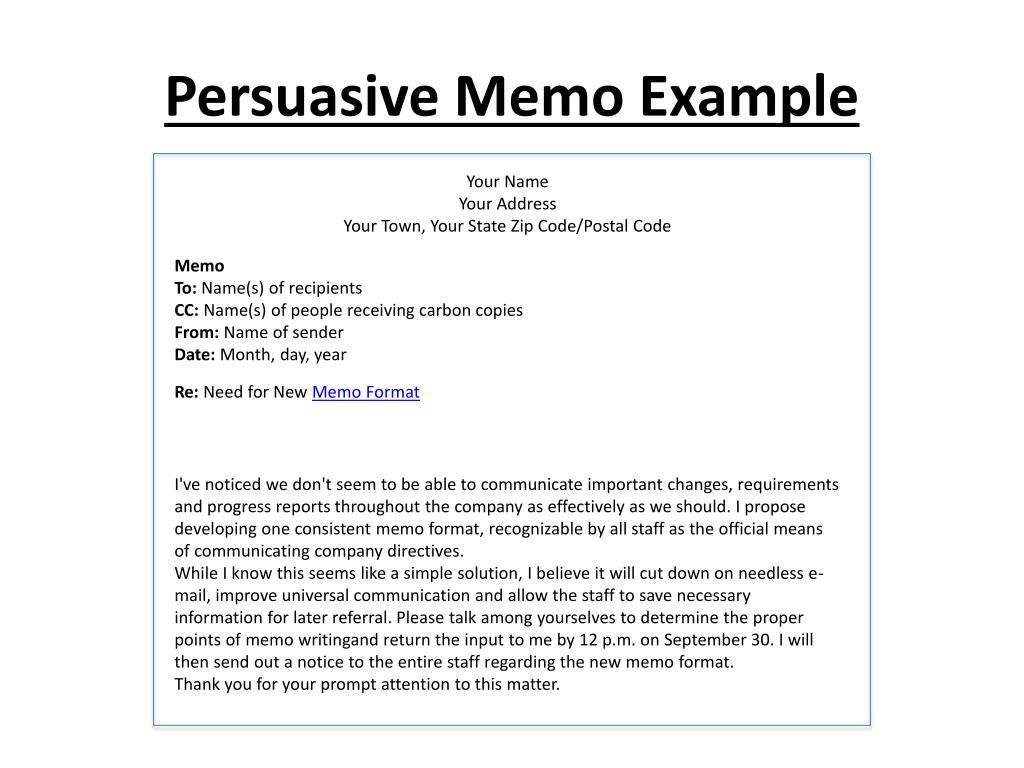
Introduction: The Power of a Well-Crafted Legal Memo
In legal practice, the legal memorandum is more than just an internal document—it’s a powerful tool that can influence decisions, shape litigation strategies, and demonstrate legal acumen. Whether you’re writing for a senior partner, a client, or a court, mastering the art of the persuasive legal memo is essential for effective legal communication.
Persuasive memos go beyond objective analysis. They blend legal reasoning, fact interpretation, and strategic framing to support a clear, compelling argument. This article outlines the step-by-step process to write persuasive legal memos that command attention and deliver impact.
Understanding the Purpose of a Legal Memo
Before drafting, it’s crucial to understand the core objectives of a legal memo:
- Analyze legal issues based on applicable laws and case facts
- Advise or persuade the reader toward a recommended legal position
- Support arguments with authoritative sources such as statutes, case law, and secondary materials
A persuasive legal memo aims not just to inform but to advocate for a specific outcome, whether internally within a firm or externally for a client’s position.
Know Your Audience
A persuasive memo must be tailored to the needs and expectations of its intended reader. Ask yourself:
- Is the audience a partner, client, or judge?
- What is their level of legal expertise?
- What decision are they being asked to make?
- What facts or legal arguments might concern them most?
Understanding your audience allows you to adjust your tone, level of detail, and structure accordingly.
Essential Components of a Persuasive Legal Memo
1. Heading and Issue Statement
Start with a clear and concise heading that outlines the subject of the memo. Follow with an issue statement that frames the legal question in a way that subtly favors your position without being overtly biased.
Example (neutral):
“Whether an employer may lawfully terminate an employee for social media posts made outside of work hours.”
Example (persuasive):
“Whether an employer has a legally protected right to terminate an employee for off-duty conduct that undermines the company’s public image.”
2. Brief Answer / Executive Summary
Provide a short, decisive answer to the issue—ideally within 2–3 sentences. Use persuasive language while anchoring your position in the law.
Example:
“Yes. Courts have consistently upheld employers’ rights to discipline employees whose off-duty conduct negatively impacts the business, particularly when public-facing reputations are involved.”
3. Statement of Facts
Present the facts in a factual yet persuasive manner. Choose facts that support your position and omit irrelevant details. Use subtle framing to highlight favorable points without distorting the truth.
Avoid emotional or argumentative language; instead, let the order and emphasis of facts subtly drive the narrative.
4. Legal Analysis (IRAC or CRAC Structure)
Use a structured format like IRAC (Issue, Rule, Application, Conclusion) or CRAC (Conclusion, Rule, Application, Conclusion) to maintain logical flow.
a. State the Rule Clearly
Identify the governing laws, precedents, or regulations that apply. Be authoritative and precise in citing cases, statutes, or rules. Incorporate persuasive precedents from binding jurisdictions.
b. Apply the Rule to the Facts
This is where persuasion matters most. Make direct comparisons between the memo’s case and favorable precedents. Use analogical reasoning, show consistency with prior rulings, and preemptively counter potential counterarguments.
Use transitions and signposting to guide the reader, such as:
- “Similar to the facts in Smith v. Employer, the client…”
- “Unlike the plaintiff in Doe v. Corporation, our client did not…”
c. Use Persuasive Authority
When possible, bolster your analysis with secondary sources, policy considerations, or ethical arguments. This demonstrates depth and enhances persuasiveness.
Use:
- Law review articles
- Restatements of the Law
- Legal treatises
- Public policy arguments
5. Conclusion: Drive the Point Home
Summarize the legal analysis and reaffirm the recommended outcome. The conclusion should leave no doubt about what action the reader should take or what position the law supports.
Example:
“Given the legal precedent supporting employer discretion in disciplining off-duty conduct and the clear impact on the company’s reputation, termination is both legally justifiable and advisable.”
Tips for Writing Persuasive Legal Memos
Use Strategic Language
- Prefer active voice: “The court held…” rather than “It was held…”
- Use strong verbs: “demonstrates,” “compels,” “supports,” instead of “suggests”
- Be assertive in conclusions without being arrogant or dismissive
Anticipate Counterarguments
A truly persuasive memo acknowledges the weak points in the argument and explains why they should not prevail. This demonstrates honesty, confidence, and thoroughness.
Keep it Organized and Easy to Navigate
Use:
- Headings and subheadings
- Bullet points where applicable
- Numbered lists to break down tests or steps
- Clear citations and footnotes for sources
Maintain Professional Tone and Precision
Avoid hyperbole or emotional appeals. Persuasion in legal writing is grounded in logic, evidence, and clarity. Write with the assumption that the reader is smart, skeptical, and detail-oriented.
Common Mistakes to Avoid
- Overloading with case law without clear application
- Ignoring opposing viewpoints or failing to distinguish them
- Failing to tailor the memo to the specific facts or jurisdiction
- Being too verbose or too vague
- Using conclusory statements without supporting analysis
Final Thoughts: Combining Logic and Advocacy
Writing persuasive legal memos is a blend of legal knowledge, critical thinking, and written advocacy. By presenting facts strategically, applying legal principles effectively, and anticipating the reader’s concerns, you create memos that drive action and influence outcomes.
Developing this skill not only enhances your value as a legal professional but also ensures your legal insights are heard, respected, and acted upon.
Sponsored Link